Click to WhatsApp
Diagnosis & Treatment
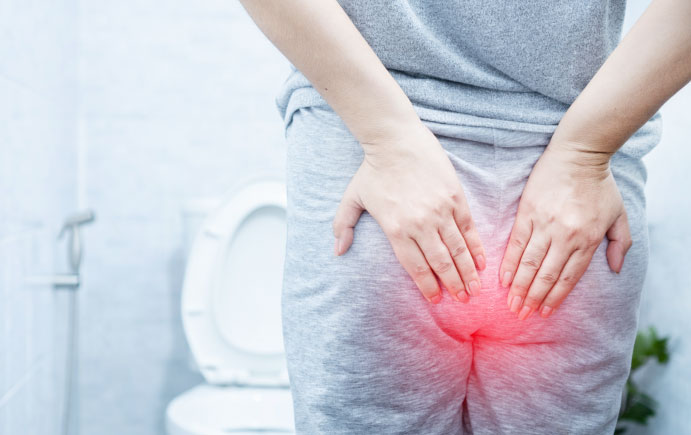
Pain In The Anus – Is It Anal Fissure or Anal Fistula?
To determine whether it is a fissure or fistula, an assessment of medical history and a physical examination of the rectum (digital rectal exam) will be first carried out.
- Should a tear be found, it is likely a fissure. A faecal occult blood test may be conducted to check for the presence of hidden blood in stools.
- Should an opening, pus discharge and soreness be felt, it may be a fistula. Further tests like fistula probe, anoscope and imaging tests (e.g. ultrasound, MRI) will be done for in-depth examination.
A thorough assessment by a colorectal specialist not only identifies the exact cause of your rectal pain but also ensures targeted treatment for lasting relief.
Get AssessedWhat Are The Treatment Options?
Anal Fissure
There are various ways of treating an anal fissure―ranging from conservative methods to surgical treatments―depending whether it is acute or chronic.
Medications
+
Injections
+
Anal Sphincterotomy
+
Most acute cases of anal fissures can usually be managed conservatively—if treated timely. Should you notice sharp pain and bleeding during bowel movements, seek prompt medical attention.
Contact Our Colorectal ClinicAnal Fistula
When it comes to anal fistulas, surgery provides the best chance of cure as they rarely heal on their own.
Fistulotomy
+
Seton placement
+
Insertion of fistula plug
+
Ligation of intersphincteric fistula tract
+